Visiting Stockholm Royal Palace: a practical guide
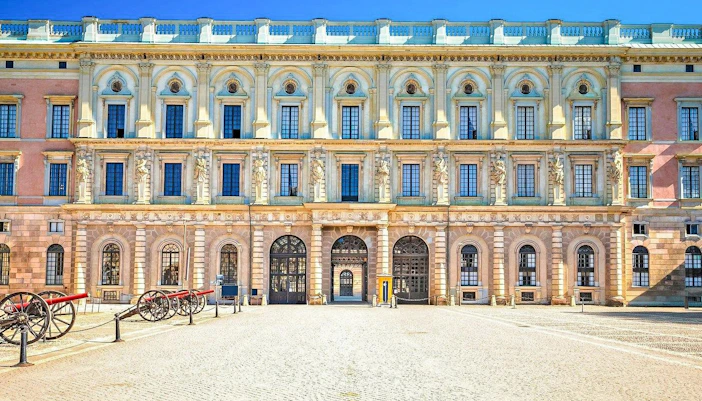
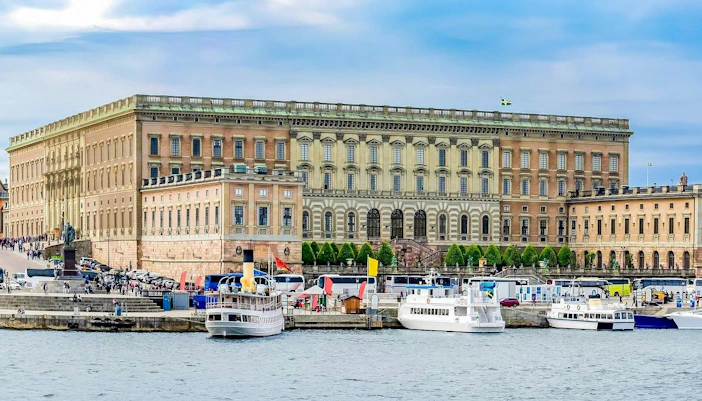
Stockholm Royal Palace is Sweden's main ceremonial palace, best known for its State Apartments, Treasury, and the Museum of Three Crowns beneath the main route. The visit is manageable rather than overwhelming, but it rewards better timing than most people expect because the noon guard ceremony changes how the entrance feels. The biggest difference between a rushed visit and a good one is leaving enough time for the basement museum, not just the formal rooms upstairs. This guide covers timing, tickets, route, and what to prioritize.
Quick overview: Stockholm Royal Palace at a glance
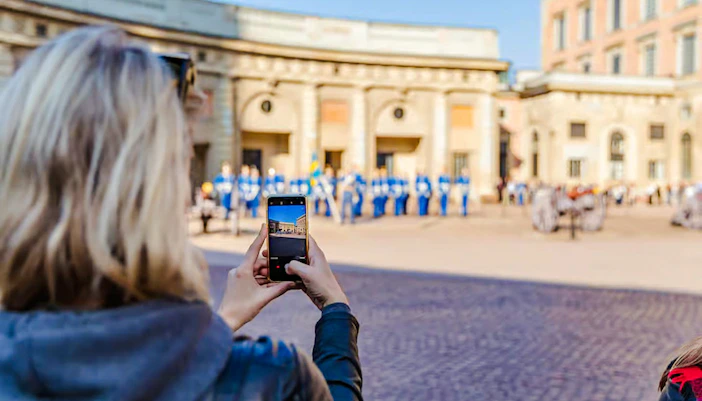
- When to visit: The palace typically opens from 10am, with seasonal closing times that often fall by 5pm; the first hour after opening is noticeably calmer than the 11:45am–12:30pm window, because guard ceremony crowds and standard visitors overlap at the entrance.
- Getting in: Standard entry starts around SEK 200–220, and prebooking mainly saves the ticket-desk step rather than giving you a separate fast-track lane, because everyone still goes through security.
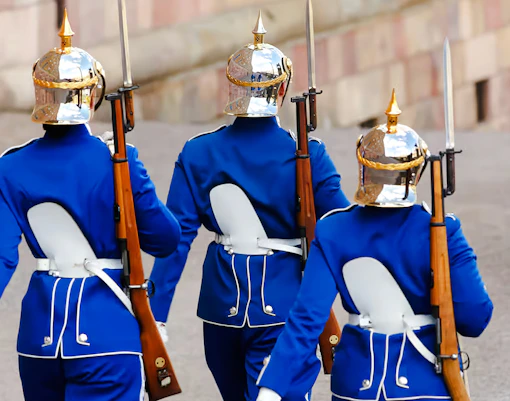
- How long to allow: 1.5–2 hours works for most visitors, but it stretches closer to 2.5 hours if you stay for the guard ceremony or use the audio guide after a guided tour.
- What most people miss: The Museum of Three Crowns and the historical backstory in the basement are easy to rush past, even though many visitors find them more memorable than some of the formal rooms upstairs.
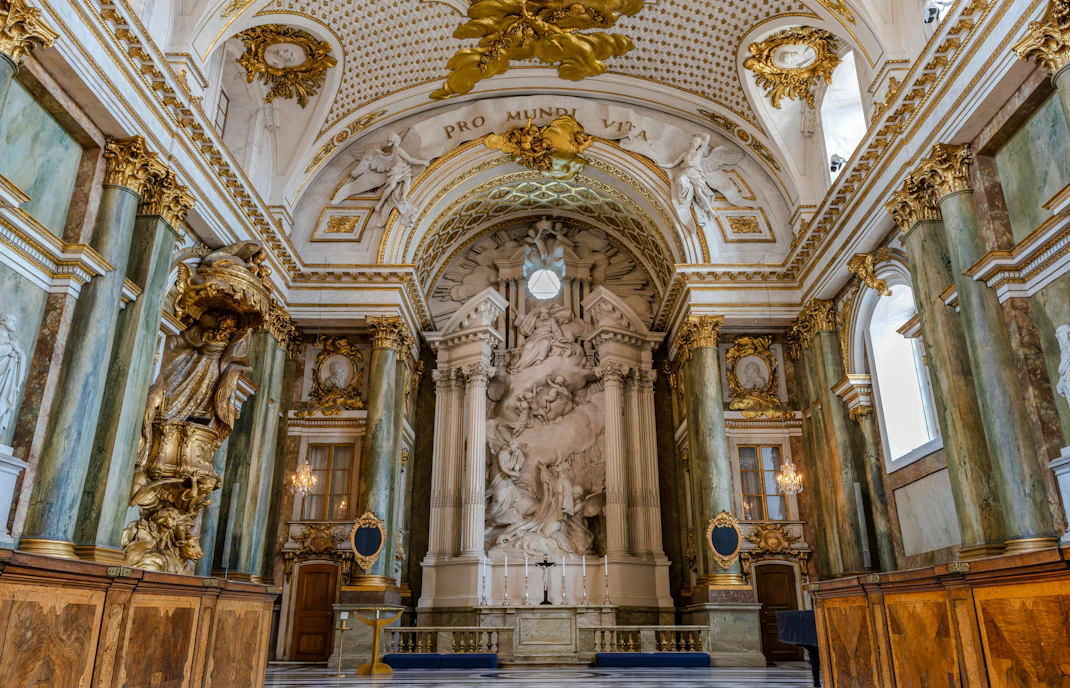
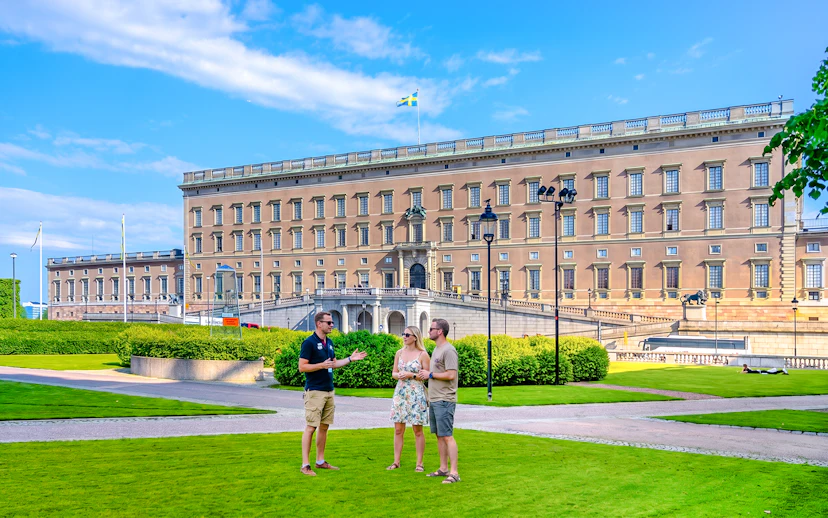
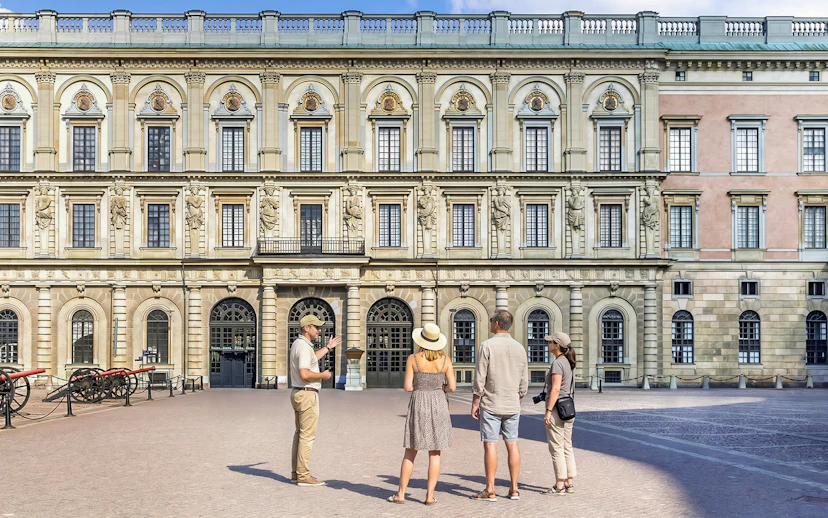
- Is a guide worth it? Yes, it’s worth getting a palace ticket with a guide if you want the royal rooms to mean more than a sequence of stately interiors; if you mainly want to move at your own pace, a good audio guide does enough for less structure.
Jump to what you need
Where and when to go
Which Stockholm Royal Palace ticket is best for you
| Tickets | What's included | Best for | Price range |
|---|---|---|---|
| Stockholm Royal Palace Guided Tour with Tickets & Audio Guide | Official Royal Palace entry ticket + access to the State Apartments + access to the Treasury and Museum of Three Crowns + guided tour in English + English audio guide app + free time to explore | A first palace visit where you want the major rooms explained clearly, then enough free time to slow down in the Treasury and museum on your own. | From €25 |
| Stockholm: Royal Palace Guided Tour & Canal Cruise | Entry to the Royal Palace + 45-minute live guided tour in English + Royal Palace audio guide access + 1-hour canal cruise + cruise audio guide in 12 languages | A short Stockholm stay where you want a palace interior visit and a scenic city overview without stitching together separate bookings. | From €39 |
| Stockholm: Gamla Stan Tour & Changing of the Guard Ceremony | Guided walking tour of Gamla Stan + English-speaking local guide + insights into Stockholm's history, culture & food traditions + viewing of the Changing of the Guard ceremony + free time for photos | A visit focused on the royal quarter, Old Town streets, and ceremony atmosphere when you care more about the royal setting outside the palace than entry inside it. | From €15 |
How do you get around Stockholm Royal Palace?
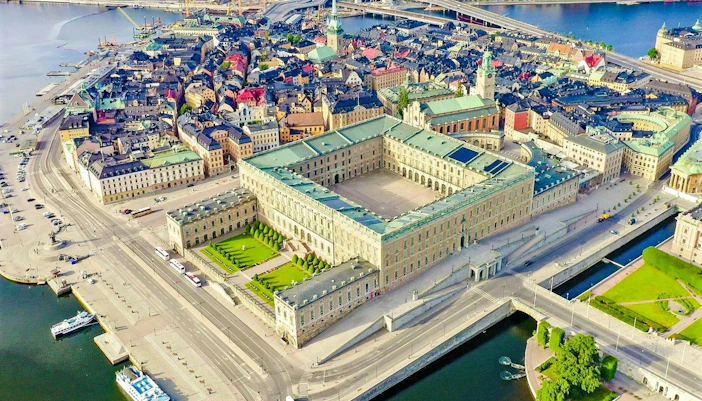
The palace is multi-zone rather than maze-like: once you're through security, the public route splits between ceremonial rooms above and museum spaces below. In practice, that means the main route is easy enough to follow, but it's also easy to leave early and miss the section that gives the palace most of its historical depth.
Where are the masterpieces inside Stockholm Royal Palace?
Facilities and accessibility
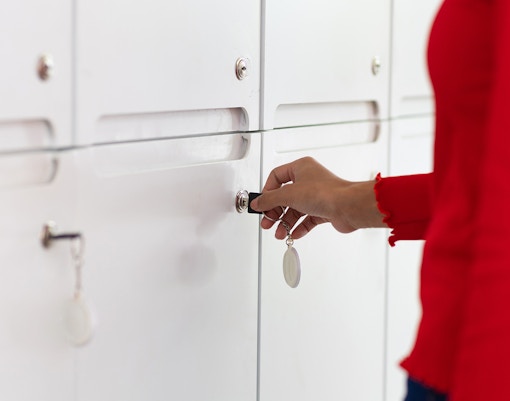
- 🎒 Cloakroom/lockers: Large backpacks and bulky items must be stored in the free lockers before you enter the main palace route.
- 🚻 Restrooms: The easiest restrooms to use are near the entrance areas in the outer courtyard, so it makes sense to stop before starting the exhibition route.
- 🎧 Audio guide: The official audio guide/app is the most useful extra if you're visiting without a live guide or want to keep exploring after a guided tour ends.
- 🪑 Seating/rest areas: Seating inside the historic rooms is limited, so plan to pause before or after the main route rather than expecting frequent benches.
- 👶 Stroller storage: Prams cannot be brought inside, so families should expect to leave them outside the exhibition route and switch to a baby carrier if needed.
- ♿ Mobility: Lifts cover much of the public route, but not every historic room is fully step-free, and some sections require extra assistance or a prebooked stair climber rather than simple roll-through access.
- 👁️ Visual impairments: The official audio guide app is the most useful support currently available if you prefer spoken interpretation over relying only on wall text and room labels.
- 🧠 Cognitive and sensory needs: The first hour after opening is the calmest visit window, while the courtyard and entrance area are loudest around the 12:15pm guard ceremony.
- 👨👩👧 Families and strollers: The route works better with a baby carrier than a stroller, because prams are not allowed inside and historic thresholds can slow family movement.
Stockholm Royal Palace suits school-age children best when you frame it around crowns, guards, and dramatic stories instead of trying to do every room in detail.
- 🕐 Time: 60–90 min is realistic with young children if you focus on the State Apartments, Treasury, and one museum section instead of pushing for the full adult pace.
- 🏠 Facilities: Use the entrance-area restrooms first and pack light, because prams stay outside and the palace route is easiest when you keep stops to a minimum.
- 💡 Engagement: Turn the visit into a treasure hunt by asking children to spot the Silver Throne, royal crowns, guards, and the fire story in the Museum of Three Crowns.
- 🎒 Logistics: Bring a baby carrier, keep bags small, and avoid arriving right at the guard ceremony if you want less crowd pressure at the entrance.
- 📍 After your visit: Gamla Stan is right outside, so the easiest family follow-up is a slow wander through the Old Town streets with a fika stop once you're out.
Rules and restrictions
Practical tips
- Booking and arrival: Book a guided slot if you want live explanation, not because you expect a dramatic fast-track benefit; guided-ticket holders can only enter with their group, so missing the meeting time matters more than it does on standard entry.
- Pacing: Don't spend all your attention upstairs in the first ceremonial rooms; save 20–30 min for the Museum of Three Crowns, because it is the section many visitors remember best afterward.
- Crowd management: The easiest window is the first hour after the 10am opening or after about 3pm, when you avoid the noon guard-ceremony bottleneck and most tour groups have already cleared the State Apartments.
- What to bring or leave behind: Bring a small bag and use a baby carrier if needed; large backpacks go into free lockers and prams stay outside the main route.
- Food and drink: Eat before you enter or wait until you're back in Gamla Stan, because the palace works best as one continuous 1.5–2 hour visit rather than a stop-start museum break.
What else is worth visiting nearby?
Eat, shop and stay near Stockholm Royal Palace
- On-site: There is no meal stop built into the palace visit itself, so treat nearby Gamla Stan cafes as your practical fallback rather than expecting a museum cafe inside.
- Stortorget cafes: 5-min walk, Gamla Stan; coffee, pastries, and light lunches, best if you want a quick fika after the guard ceremony.
- Skeppsbron waterfront restaurants: 7-min walk, Gamla Stan waterfront; casual Swedish plates and seafood, useful if you want a sit-down meal after the palace.
- Vasterlanggatan bakeries: 6-min walk, Gamla Stan; sandwiches, buns, and coffee, easiest if you want something fast before entering.
- Pro tip: If you're timing your day around the 12:15pm guard ceremony, eat before 11:30am or after 1pm so you don't split the visit right when the entrance area is busiest.
- Royal Palace gift shop: Palace books, postcards, and royal-themed souvenirs, best bought after the main route so you're not carrying extras through the rooms.
- Vasterlanggatan boutiques: Swedish design gifts, seasonal ornaments, and Old Town souvenirs, useful if you want wider variety than a museum shop alone.
Gamla Stan is one of the easiest bases if your priority is atmosphere and walkability rather than hotel size or value. You can step out early for the palace, ferry quays, and central Stockholm without much transit planning, but rooms here are often smaller and pricier than in newer central districts.
- Price point: The area skews mid-range to premium, with higher rates reflecting location and character more than extra space.
- Best for: Short stays where walking to the palace, waterfront, and central sights matters more than nightlife or big modern hotels.
- Consider instead: Norrmalm or Sodermalm if you want more hotel choice, easier late-night dining, or better value for longer stays.
Frequently asked questions about visiting Stockholm Royal Palace
Most visits take 1.5–2 hours. That is enough time for the State Apartments, Treasury, and Museum of Three Crowns, but you'll want closer to 2.5 hours if you also plan to watch the Changing of the Guard or use the audio guide after a guided tour.
The palace often has short or minimal ticket waits, but prebooking still makes sense if you want a specific guided tour time or are visiting in peak summer and want everything confirmed in advance. It also helps secure your preferred time slot and reduces uncertainty on the day.
If you are joining a guided ticketed experience, arrive early enough to meet the guide before the group enters because you cannot go in separately once the tour starts. For a regular visit, your timing matters more around the 12:15pm guard ceremony than around any long ticket queue.
Yes, but large backpacks and bulky items need to go into the free lockers before you enter the palace route. A small day bag is the easiest option because it saves you time at security and lets you move through the historic rooms without extra stops.
Yes, personal photography is generally allowed. Flash, tripods, and extra lighting are not permitted, and any room-specific restriction should be followed on local signage if parts of the palace are being used differently on the day of your visit.
Yes, and guided group visits are one of the easiest ways to make sense of the palace quickly. If you book a guided product, remember that entry happens with the group, so late arrivals cannot simply use the same ticket to enter on their own afterward.
Yes, as long as you keep expectations realistic and shorten the route. Most families do best with 60–90 minutes focused on the guards, the Silver Throne, the Treasury, and one museum section rather than trying to cover every ceremonial room in detail.
Partly, not perfectly. Lifts cover much of the public route, but some historic rooms remain harder to reach and may require extra assistance or a prebooked stair climber instead of simple step-free access throughout the full visit.
Food is easiest before or after your visit rather than during it. The palace route itself works best as one continuous museum-style loop, and the simplest nearby options are in Gamla Stan, where you will find cafes, bakeries, and sit-down restaurants within a short walk.
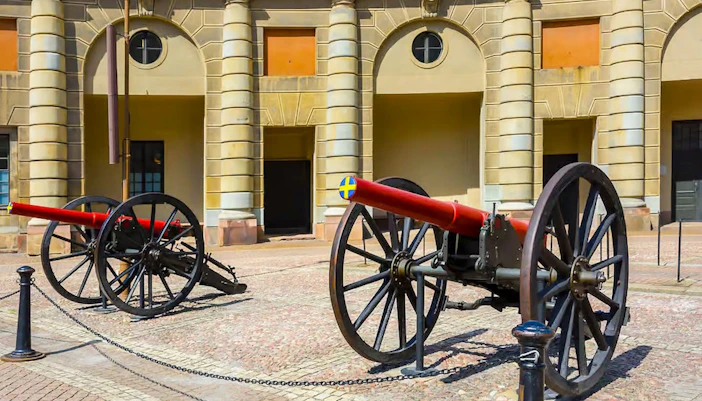
Yes, you can watch the Changing of the Guard from the courtyard area without doing a full palace interior visit. It is one of the best reasons to be here around noon, but it also makes that period the worst time to try to enter quickly.
Yes, but it works best as a full day rather than a rushed add-on. A strong plan is the Royal Palace in the morning, then Drottningholm in the afternoon, because trying to squeeze both into a shorter window usually means cutting the gardens or the basement museum too aggressively.