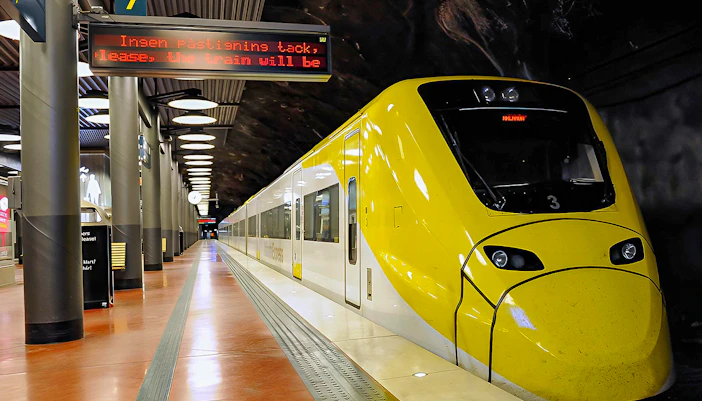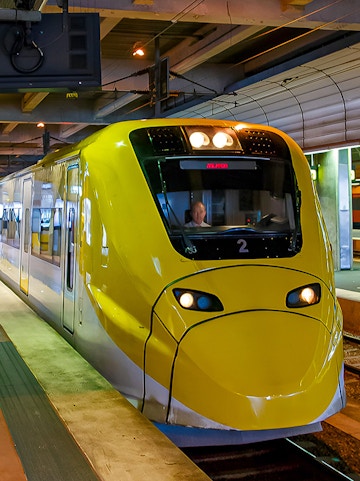


The Skansen funicular links the lower Hazelius entrance area with the upper park. It isn’t part of standard admission, but it can save energy on the steepest climb and matters if you’re visiting with a stroller or have mobility concerns.
Access: No, requires separate ride ticket.
Experience the best of Skansen Museum
Crafted by Headout, a global experiences brand offering curated tours, tickets & experiences. Discover with ease, book with peace.Loved by over 56 million guests worldwide
Headout is an authorized and trusted partner of this venue
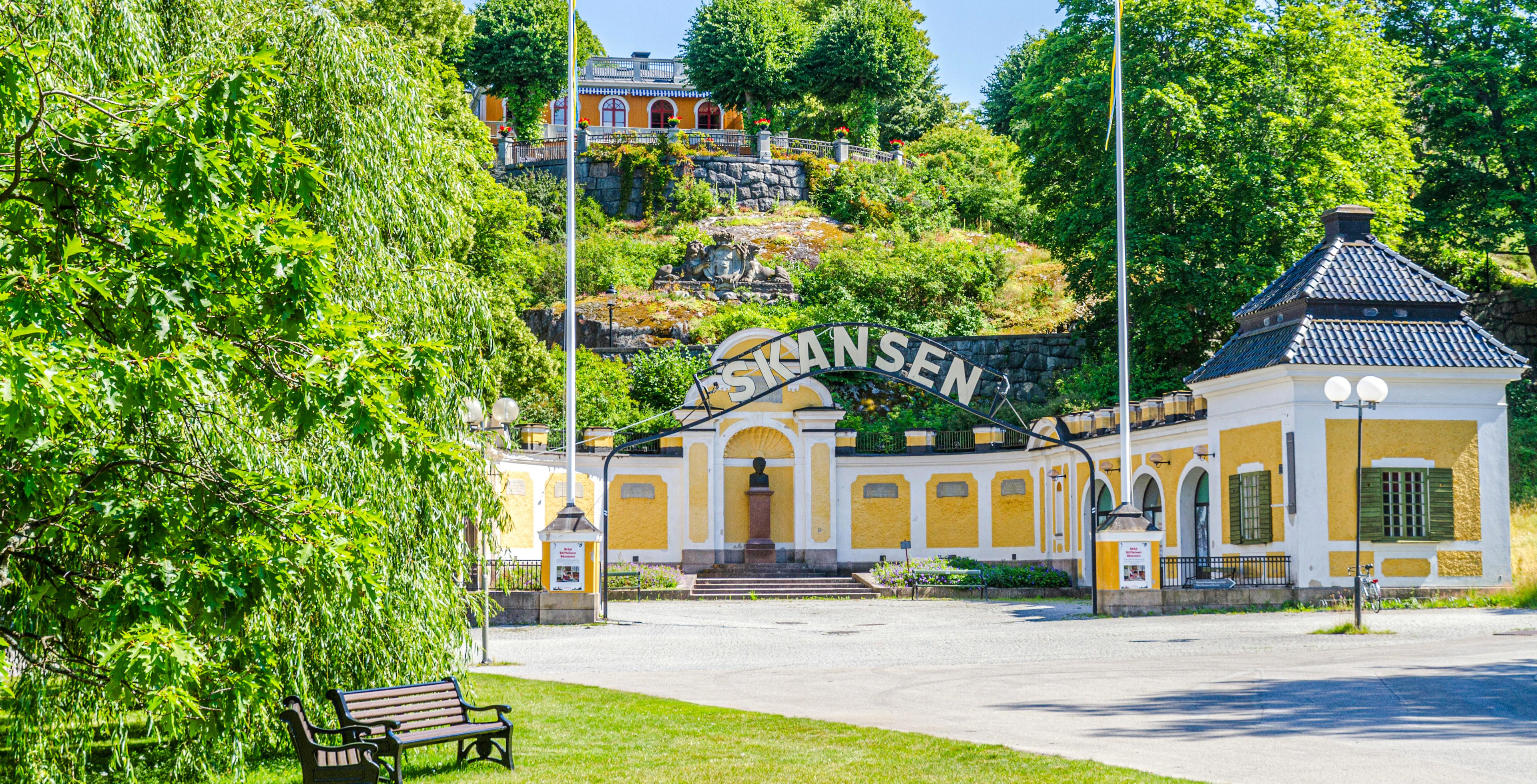
Top things to do in Stockholm
How Headout makes choosing experiences effortless
We curate the best ways to experience
We research and organise all unique experiences - from tickets to tours to special combos - so you get all the choices without the clutter.
We partner with the best
Every supplier is vetted for quality, reliability, and value so you only get top rated experiences. No surprises, no disappointments.
All the best options, in one place
Each experience is thoughtfully organised to give you maximum availability, great value and an easy way to choose.
Book with complete peace of mind
Free cancellations, Flexible payments, and 24/7 support - thoughtfully designed for flexibility, assurance, and total peace of mind.
Slide 1 of 41/4
Slide 1 of 4



Quick overview
- Ticket options: Skansen open-air museum tickets are self-guided; they cover the open-air museum, Nordic Zoo, and Lill-Skansen children’s zoo.
- Unique experiences: Skansen’s draw is the living-history format, open interiors, and craft demonstrations. Seasonal programming varies by day and season.
- Queues & access: Pre-booked tickets skip the ticket-office line and admission gates. However, any event security checks still apply.
- When to book: Summer weekends, Midsummer, and Christmas dates are busiest; book ahead and arrive near opening for a quieter start.
- Good to know: Skansen museum tickets are valid for one day on your booked date. Most visits take about 3 to 5 hours, and re-entry is typically not allowed.
What to expect at Skansen Open-Air Museum
1/5
A miniature version of Sweden awaits.
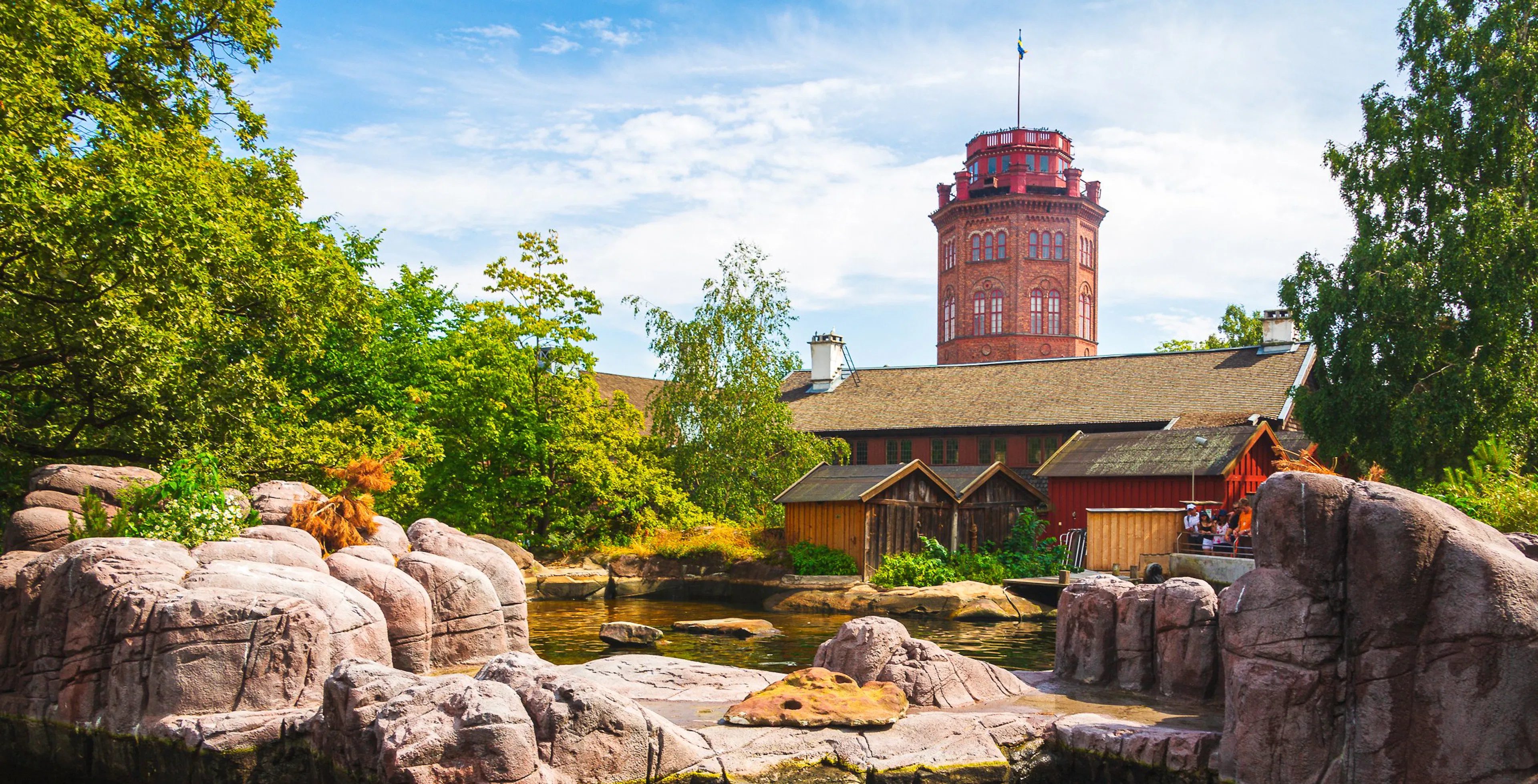
Step through the gates into 300,000 m² of Swedish history and Nordic wildlife. Skansen spreads across 150+ historic buildings, zoo enclosures, and gardens on a hillside. Historic interiors rotate by day and season, so each visit feels a little different.
Up to the wildlife loop
Many visitors head uphill first, then loop down. From Solliden, scan the skyline, then follow wooded paths to moose, reindeer, wolves, and brown bears. Animals are often easier to spot earlier in the day, before the busiest 11am to 3pm stretch.
Farmsteads and Seglora church
After the wildlife loop, move into the farmsteads around Bollnastorget, then pause at Seglora Church. This quieter stretch shows how rural families lived, from timber homes to working yards. Expect to spend about 45 to 60 minutes if several interiors are open.
The Town Quarter payoff
End in the Town Quarter, where the glassworks, bakery, printer, and pharmacy bring everyday Sweden into focus. This is Skansen’s liveliest living-history zone, especially when artisans are working. Unlike the zoo paths, here the payoff comes from conversation and craft.
Views before you leave
Before you leave, stop again near Solliden or another upper terrace for broad views across Stockholm’s waterfront. Most visits take 3 to 5 hours, and a pre-booked ticket can save about 10 to 20 minutes at the gate, time better spent inside.
Things to know before booking your Skansen Open-Air Museum tickets
Booking window
- Skansen usually does not sell out on regular days, but online booking still helps on busy dates. The main benefit is faster entry through the pre-purchase lane, not rare capacity holds.
- Summer weekends, Midsummer, Allsang Tuesdays, and Christmas market weekends draw the biggest crowds. If you’re visiting on one of those dates, book your Skansen museum tickets in advance for a smoother start.
Entrances & flow
- Most visitors enter through the main gate on Djurgardsslatten, close to the Skansen tram and bus stop. Online tickets are scanned directly at the turnstiles.
- Pre-booked tickets skip the ticket-purchase line, which can take about 10–25 minutes around midday on busy summer days. You still join the main entry flow, and security checks may apply on major event days.
- Skansen sits on a hillside, so the first climb can feel steep. Many visitors use the escalator or the Bergbanan funicular to reach the upper areas more easily.
What’s included
- Not every historic interior is open every day. Building access rotates, so check the daily program if specific houses or craft demonstrations matter to your visit.
- Skansen Aquarium is not included and is paid separately at its own entrance. Some rides and seasonal extras may also cost extra.
Ways to explore
- Skansen open-air museum ticket is a self-guided ticket, so you can arrive any time during opening hours on your chosen date. It suits travelers who want flexibility rather than a fixed tour schedule.
- Most visitors spend about 3–5 hours inside. That makes this a better half-day pick than a quick 1-hour stop.
Special access & upgrades
- Seasonal dates affect the experience more than the ticket format. Christmas market and Midsummer visits add special events but also bring the year’s heaviest crowds.
- The Bergbanan funicular can reduce one of the steepest climbs inside the park, but it is a separate paid service. Some vintage fairground rides may also carry separate charges.
Policies
- Skansen museum tickets are valid for one day and are generally not timed, which gives you flexibility on your chosen date. Mobile tickets are accepted at the gate.
- Children under 4 enter free. Skansen is also cash-free, so plan to pay any extras by card or mobile payment.
- Dogs are not allowed, except certified assistance dogs. The site is large, mostly outdoors, and hilly, so book it when you can comfortably allow at least half a day.
Explore Skansen Open-Air Museum

Skansen funicular (Bergbanan)

Solliden stage
Solliden stage sits on Skansen’s upper hill and also serves as one of the park’s best city viewpoints on regular days. During concerts and Allsang events, access conditions can change, and reserved seating may be sold separately.
Access: Yes, regular admission; some event seating may require a separate ticket.
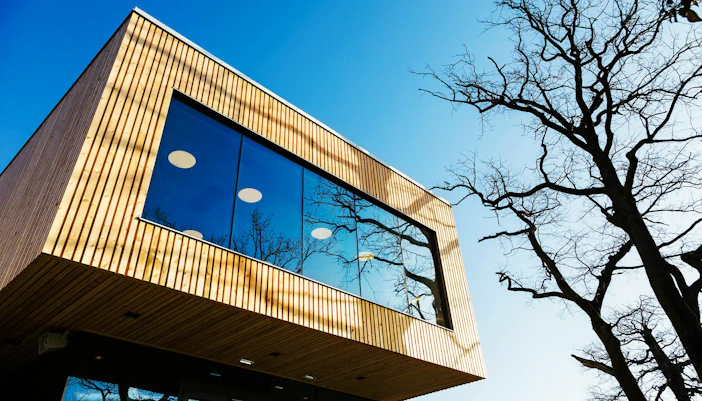
Baltic Sea Science Center
This indoor science center sits within Skansen and focuses on Baltic Sea wildlife rather than tropical species. It’s the included aquatic stop many visitors confuse with Skansen Aquarium, and it works well as a weather break between outdoor areas.
Access: Yes, included with standard admission

Lill-Skansen
Lill-Skansen is the child-focused animal zone inside the main grounds, with smaller animals and play-oriented spaces. It’s best to treat it as a separate stop, as families often spend longer here than expected, especially on a first visit.
Access: Yes, included with standard admission.

Skansen Aquarium
Skansen Aquarium is a separately run tropical animal house inside the park, known for lemurs, reptiles, and close-up encounters. It’s the main paid add-on visitors confuse with the Baltic Sea Science Center, and tickets are bought at the aquarium entrance.
Access: No, separate ticket required.

Galejan fun fair
Galejan is Skansen’s vintage fun fair area, near the family zones and usually most relevant on summer visits. Standard entry gets you to the area, but rides cost extra, so it helps to budget for it before you arrive.
Access: Yes, the area is included; rides cost extra, and seasonal opening times vary.
Plan your visit to Skansen Open-Air Museum

- Opening hours:
- June–August, Skansen usually opens from 10am–6pm.
- April–May and September, Skansen usually opens from 10am–5pm.
- October–March weekdays usually run from 10am–3pm.
- June–August, Skansen usually opens from 10am–6pm.
- Weekend hours: October–March weekends usually run from 10am–4pm.
- Open year-round: Skansen is generally open daily throughout the year.
- Holiday changes: Christmas eve usually has shorter hours, and major events may use special schedules.
- Last entry: Check the daily calendar, as last-entry time vary by season and events.
Best time to visit
- Weekday mornings: Visit on weekday mornings for lighter crowds.
- Summer tip: Wednesdays are often quieter than Tuesdays.
- Winter note: Winter weekdays feel calmer.
Nestled in Djurgarden, Stockholm's cultural and green hub.
Address: Djurgårdsslätten 49–51, 115 21 Stockholm, Sweden
Getting there
- Tram: Tram line 7 stops at Skansen, about a 3-minute walk.
- Bus: Bus 67 stops at Skansen, also around a 3-minute walk away.
- Ferry: The Djurgarden ferry stops at Allmanna grand, around an 8-minute walk.
- Metro: Karlaplan station on the Red Line is about a 25-minute walk away.
- Walking: Approximately 30–40 minutes from central Stockholm.
- Parking: Paid public parking on Djurgårdsslätten is about a 7–10 minute walk away.
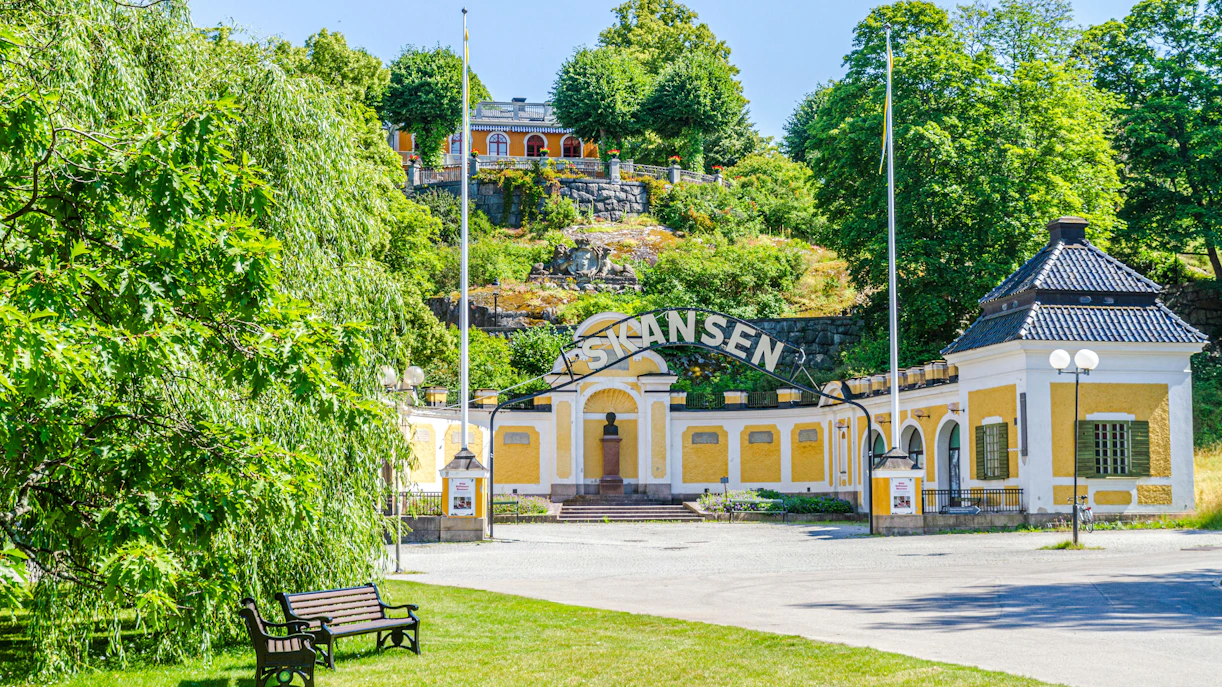
• Main Entrance (Huvudentren): On Djurgardsslatten, best for tram and bus arrivals; uphill approach.
• Hazeliusporten: Near Allmanna grand and Bergbanan, best for ferry arrivals; hours may vary.
• Security: Bag checks may apply during major events.

• Restrooms: Available across the grounds.
• Dining: Cafes and restaurants are spread across the park.
• Shops: Craft and souvenir shops offer Skansen-themed gifts.
• Picnic areas: Outdoor picnic spots available.
• Family support: Facilities like microwaves for baby food are available.
• Strollers: Allowed, but note the uneven paths.
• Lockers: Public storage is not available.
• Entrance access: Main Entrance has a lift platform.
• Step-saving route: Hazeliusporten connects to the accessible Bergbanan funicular.
• Inside the park: Many main routes are wheelchair accessible, though slopes vary.
• Accessible toilets: Available near major hubs.
• Mobility aids: Manual wheelchairs can be borrowed, subject to availability.

• Photography: Allowed, but avoid flash.
• Drones: Not permitted without permission.
• Bag policy: Large luggage storage is unavailable; bag checks may apply.
• Food and drink: Picnics allowed; grills are restricted.
• Animals: Do not feed animals.
• Historic objects: Do not touch unless invited.
• Mobility items: Bicycles and e-scooters should remain outside.
• Behaviour: Stay on marked paths and follow staff instructions.
• Re-entry: Confirm with gate staff before leaving.
Visitor tips & guidelines
- Save energy and dodge bottlenecks: ride Bergbanan to Solliden first instead of starting in the Town Quarter.
- For the clearest skyline frame, stand left of the Solliden stage railing before 11am; fewer people block the waterline there.
- See the bear and wolf enclosures before 12 noon; animals are more likely to be active and viewing rails are clearer.
- Cut backtracking by doing Lill-Skansen after the wildlife loop; it sits beside Galejan and the Baltic Sea Science Center.
- If lunch queues swell, duck into the Baltic Sea Science Center around 12 noon; it’s indoors and usually calmer.
- Reset between uphill sections inside Seglora Church; benches and enclosed space offer a quieter pause than open paths.
- Watch the Glassworks or Bakery after the upper zoo circuit, not before; the Town Quarter gets busier with late arrivals.
- Pick Wednesdays over Tuesdays for Solliden and nearby paths in summer; Allsang traffic makes the stage area busier.
Frequently asked questions about Skansen tickets
Usually, yes for summer weekends and major event days. Skansen rarely sells out on ordinary dates, but booking ahead lets you skip the ticket-office line and avoid slower entry around 11am–3pm.
Skansen open-air museum tickets are date-specific, not timed. You can enter at any point during that day’s opening hours, which makes Skansen easy to fit around other Djurgarden plans.
No. Pre-booked entry skips the ticket-purchase line only. Everyone still uses the admission gates, and event-day security or bag checks can still add a short wait.
Plan for one entry. Same-day re-entry is not included with the standard ticket description, so it’s best to do the aquarium, meals, and longer breaks before you leave.
Weekday mornings are usually the calmest. Avoid arriving close to closing, because Skansen is large and a short late visit can mean missing open houses, active animals, and key viewpoints.
Most visitors need about 3–5 hours. You can do a quick overview in less time, but the site’s size means rushing often leads to skipped houses, missed animals, and tired kids.
No, not always. Interior access rotates by day and season, so winter visits and off-peak weekdays can feel lighter; check the daily program if entering staffed houses matters to you.
Yes. Standard Skansen museum ticket entry covers the open-air museum, Nordic animal areas, Lill-Skansen, and the Baltic Sea Science Center, which together make up Skansen’s core experience for most visitors.
No. Skansen Aquarium is a separate paid attraction inside the grounds. If tropical animals, monkeys, snakes, or lemurs matter to you, budget extra and buy that ticket at the aquarium.
Yes. Both are included with standard entry, so families can use the children’s zoo and indoor Baltic Sea exhibits without buying an additional ticket separately.
No. The standard Skansen open-air museum ticket is self-guided. If you want a fixed route and deeper historical context, check for a guided experience separately because it is not part of regular admission.
Yes. Skansen’s permanent visitor information is generally available in Swedish and English, and staff commonly speak English. If another guided language matters, confirm it before choosing a tour format.
Partly. Main routes are manageable, but the site is hilly and some historic interiors have steps or uneven thresholds. The funicular can help with one of the steeper uphill sections.
Yes, especially if you want animals and space to move around. Lill-Skansen, playgrounds, and picnic spots help, but the grounds are large enough that most families should allow several hours.
Flexibility is not automatic. Standard entry is tied to a visit date, so refund or reschedule options should be checked in the description before booking rather than assumed.